

From the granite landscapes of Dartmoor National Park to the icy tundra of Iceland, here’s our guide to some of the best wild camping spots that few people have yet to discover!
There’s something subtly and quietly exciting about setting up a lonely tent far away from all the noise. With only the sound of falling leaves, running water, or the distant bray of a sheep to accompany you, wild camping is one of the few ways left to escape the daily grind.
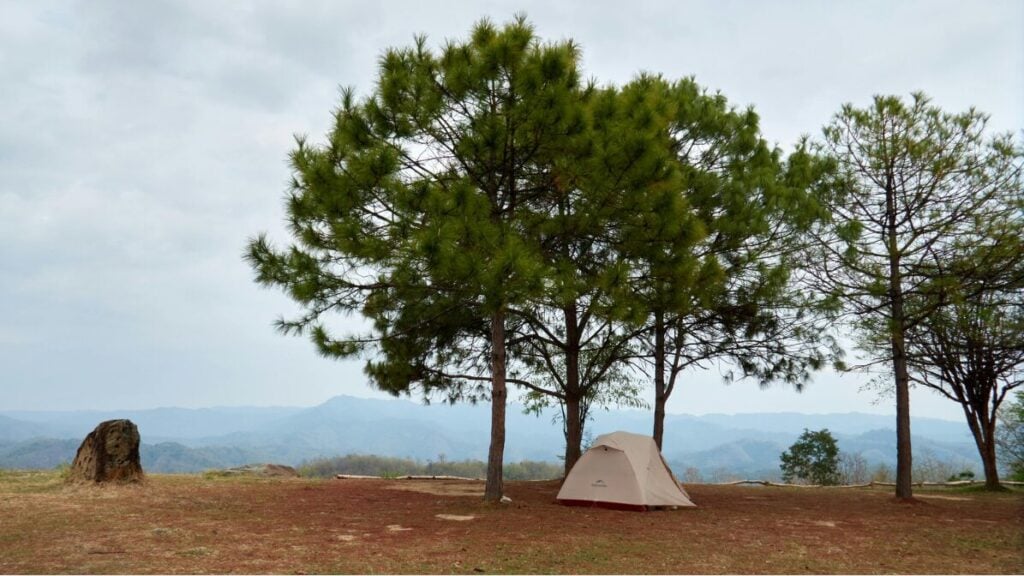
Wild camping embodies that rare cocktail of freedom and nature, as you embrace the great outdoors and pitch your tent on remote mountain slopes or windy beaches. While wild camping options may seem limited in the modern age, we’ve uncovered some of the most inspiring places to set up camp.
Keep reading to discover more.
Nearly wild and almost wild escapes in the UK
Truly wild camping spots can be difficult to find in the United Kingdom, given the strict rules on land access and an incredibly limited ‘Right to Roam’. That’s the story in England, Wales and Northern Ireland at least, because Scotland has a far more liberal approach to wild camping (it’s legal there!).
Across the UK, however, an increasing number of sites appear to bridge this wild camping gulf. The Nearly Wild Camping network, for instance, boasts over 150 backwood locations across the country, including lakeside locations, forests, clifftops, fields and hidden beaches.
These ‘nearly’ wild camping sites can feel remote, and yet they’re often not so far from essential needs (from shops and villages, or pubs and cafes). These hidden gems are located in semi-wild spots yet to be discovered by the masses, and so some have likened the effect to a subtle kind of treasure hunt. It’s a bit like rainbow riches, the popular slot game in the casino, where small rewards are scattered in the unlikeliest places, awaiting only those who dare look beyond the obvious.
Almost wild campsites, places like the Beech Estate in East Sussex or Cefn Coed in Snowdonia National Park, take that experience one step further. These places provide privacy, basic facilities, and a soft buffer against the vagaries of wilder terrain. They’re a great first-time option for someone looking to escape the established camping norms, and yet not venture into illegal territory.
Wild or near-wild escapes do not have to be hours away from the city, either. You can find forests, downs and hills just beyond the urban edge. The South Downs near London, or the Lake District near Manchester, can provide discreet pockets for the camper to escape the city.
Hidden opportunities within UK national parks
The UK’s national parks are typically home to either traditional campsites or enforce strict rules against wild camping. However, there are some intriguing exceptions to this rule, if you know where to look.
Follow the Scottish Outdoor Access Code, and it’s permissible for you to camp in stunningly wild locations like the Cairngorms National Park. The code allows for wild camping, provided you leave no trace and stay no more than a couple of nights in the same location.
South of the border, backpack camping is permitted in certain areas of Dartmoor National Park (the permissible areas can change, so check with the national park authorities for up-to-date access maps). This right to wild camp was fought for vigorously by protestors and activists in recent years, when a landowner attempted to restrict access to his land on Dartmoor. The case went to the high courts, and the wild campers won.
Elsewhere, you can often ask landowners or farmers for permission to camp on their land. Of course, they may or may not grant you permission, but I know people who’ve been successful doing this in beautiful spots like Bannau Brycheiniog National Park (Brecon Beacons) in Wales. Wherever you find, waking up amongst granite tors or moorland grasses in the early morning light is an experience like no other.

Secluded wilderness spots in Europe
Across the English Channel or the North Sea, and swathes of European wilderness await the hardy wild camper. Road trip around Iceland, for example, and the polite camper can pass the night on uncultivated land under the open sky as long as the country’s environmental guidelines are adhered to.
In Greece’s Ionian Archipelago, you can find uninhabited islands with kayak-accessible beaches that sit so isolated that the sand and sea seem untouched for centuries. In Scandinavia, incredibly liberal rights of public access allow you to wild camp across Sweden, Norway and Finland.
The best wild camping spots are usually found by word of mouth, and not necessarily in guidebooks. Online communities, Facebook groups, hiking forums or Reddit threads will often share the best spots, but with fleeting requests to keep them hush.
Wild camping thrives on balance. A balance between solitude and safety, between discovery and preservation. The best spots often come from patient searching and quiet respect, not glossy advertisements or convenient booking links. That’s the challenge, but the reward is a night under the Milky Way, a campfire under the stars.

Have you ever been wild camping? Where’s your favourite spot to wild camp? Let me know in the comments below!

Recent Comments