I love travelling overland, and nothing quite beats the adventurous romance of an overnight sleeper train. Part transportation, part hotel room, my latest night train took me across Britain on the Caledonian Sleeper from London Euston to Glasgow Central. But as fun as the journey was, there were more than a few things I wished I’d packed to make the ride more enjoyable.
Packing well helps you settle into your berth quickly, sleep comfortably, and avoid digging through a large suitcase in a narrow compartment while the train sways. The goal is to bring enough for comfort without filling every single inch of your berth. Start with clothes you can sleep in and wear while moving around shared spaces. Joggers, a T-shirt, or button up pajamas make it easier to relax while feeling covered if you need to visit the bathroom or step into the corridor. And don’t forget to add a jumper or fleece, because onboard temperatures often drop drastically after dark.
To help you plan your next overland adventure, here are my top tips on how and what to pack for an overnight sleeper train.
Table of Contents
1. Keep your essentials in reach
I always pack a smaller, personal bag that stays beside me in a berth rather than in the luggage rack. I keep this bag within easy reach. This allows me to stow my larger duffel or suitcase away and maximise the already cramped space within the sleeper cabin.
I keep any valuables and important documents in this smaller bag, including tickets, passports, wallet, phone, headphones and power banks.
You can use a cross-body bag, pouch or packing cubes, keeping those vital items close at hand when you need them in the middle of the night. This is particularly useful, I find, when border guards rudely awaken you at 2 am and demand to see your passport!

2. Pack a simple toiletry kit
A sleeper train bathroom is compact, so I always choose travel-size basics and skip anything messy. Bring a toothbrush, toothpaste, facial wipes, deodorant and hand sanitiser as a minimum.
A small quick-dry towel can be helpful if your onboard accommodation is luxurious enough to include a shower. Add tissues and a few resealable plastic bags for damp items or toiletries that might leak.
Read more: My Overnight Journey on the Hook of Holland to Harwich Ferry
3. Make sleep easier
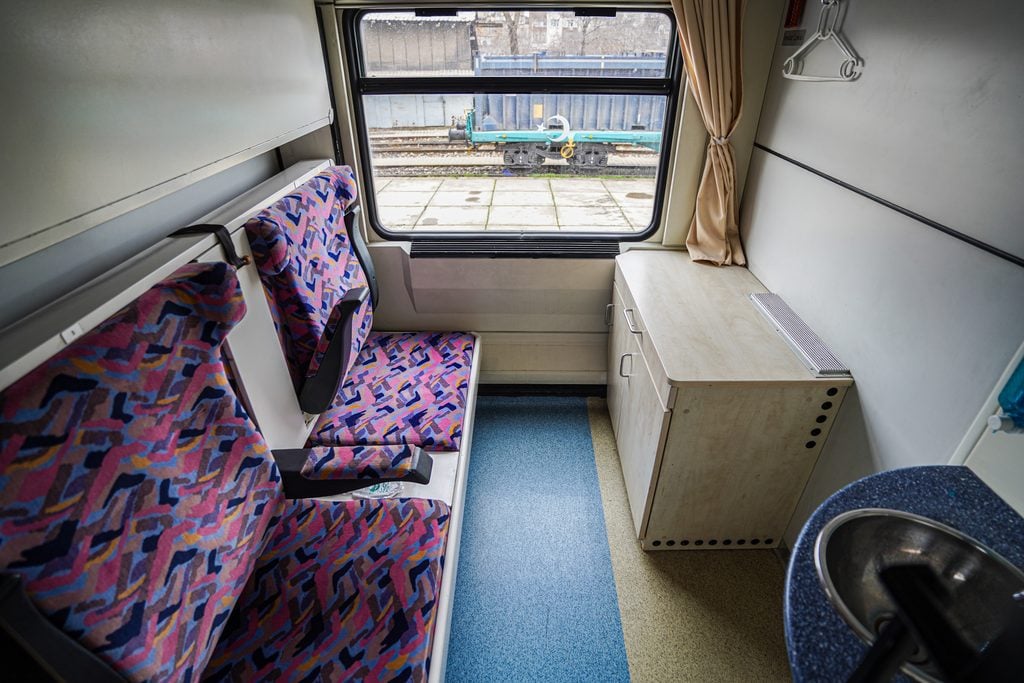
Even in the best private cabins, you’re going to need to deal with lights, constant motion and the sounds of the train trundling cross-country towards its destination. I never used to travel with an eye mask or noise-reducing earbuds, and I can’t tell you why. But when I took the Caledonian Sleeper earlier this year, there were complimentary eye masks and earbuds in the cabin. I tried them out on that same journey, and I had one of the best nights’ sleep of my travels.
A neck pillow and sleeping bag liner may help on routes with limited or dirty bedding, although many sleepers provide sheets, blankets, and a pillow if you’ve booked a berth. If you run warm, pack breathable layers instead of bulky sleepwear, and keep socks or slippers handy for cold floors.
4. Bring snacks and water
Dining services vary by route and schedule, and unfortunately, there’s not always a buffet carriage on board. Even if there is a buffet carriage, options might be limited. When I travelled on the old Soviet-style sleeper train from Chisinau to Bucharest, for example, there was plenty of beer and wine for sale, but food was limited to packets of crisps and chocolate bars. Luckily, I’d brought along plenty of bread and cheese to snack on. On the Caledonian Sleeper, a mix-up meant the usual Full Scottish Breakfast wasn’t in stock, and I was glad I’d stocked up on a few sandwiches before departing London.
I’d recommend always packing a water bottle and a few versatile snacks such as nuts, granola bars, crackers, cheese or sandwiches as a minimum. This goes for services with scheduled dining carriages, as you never know what can go wrong. A few tea bags, instant coffee packets, or electrolyte sticks can make the morning feel easier, too, especially if you wake before the cafe car opens.
5. Choose practical day clothes
Your next-day outfit should be comfortable enough for lounging and polished enough for arrival at your destination without a full change of clothes in a station toilet.
I usually wear comfy joggers or light trousers in winter, or in summer, a pair of loose-fitting shorts. For me, jeans or chinos are a big no onboard a night train.
Slip-on shoes or slippers are perfect for a nighttime trip down the carriage, while loose T-shirts and a fleece are always winners.
6. Manage power and entertainment
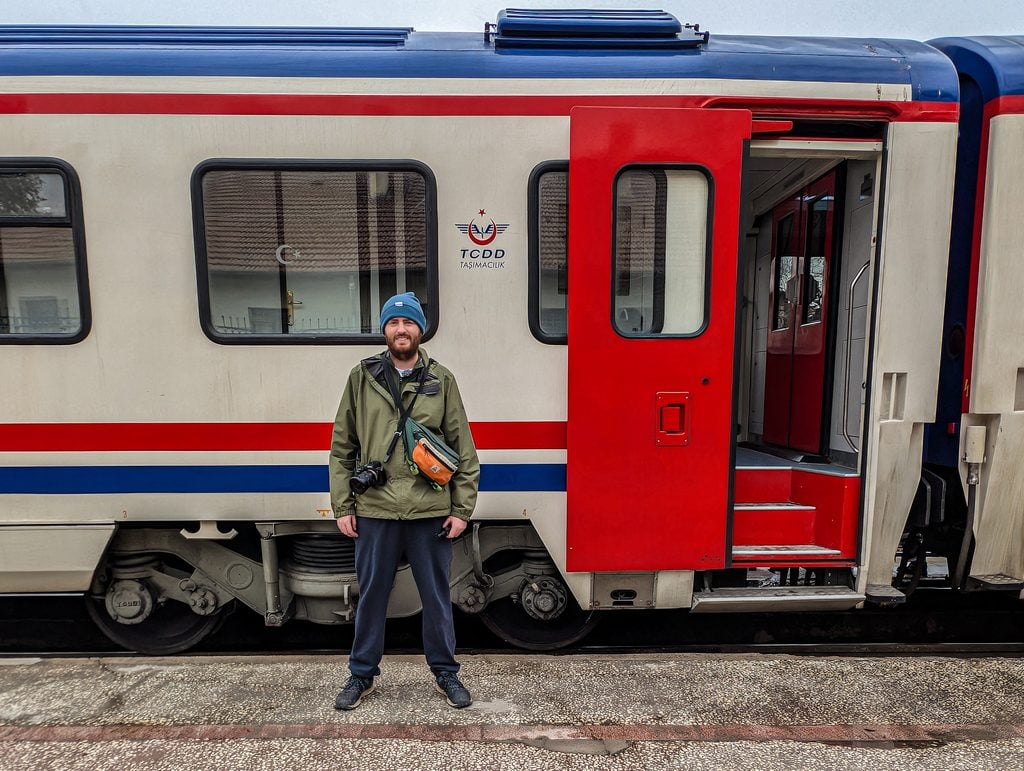
I always, always carry at least two power banks when I’m travelling, and sleeper trains are no exception. Power outlets are often limited, awkwardly placed or occupied, and you’ll appreciate those power banks when the conductor comes calling for your digital e-ticket. I always download e-tickets, books, podcasts, music, maps, and films before departure, since service tends to fade in rural areas.
Read more: The Eastern Express: How I Survived Turkey’s Epic 26-Hour Train Ride
7. Organise for tight spaces
I always use packing cubes or separate pouches so I can easily find items without unpacking everything. Keep valuables close when you leave the room, and consider a small luggage lock for peace of mind when you’re asleep.
A compact torch or headlamp is useful if you need to locate something while a travel companion sleeps. Place heavier bags low so they do not shift during stops and give you a painful bump on the head in the middle of the night.
8. Consider comfort extras
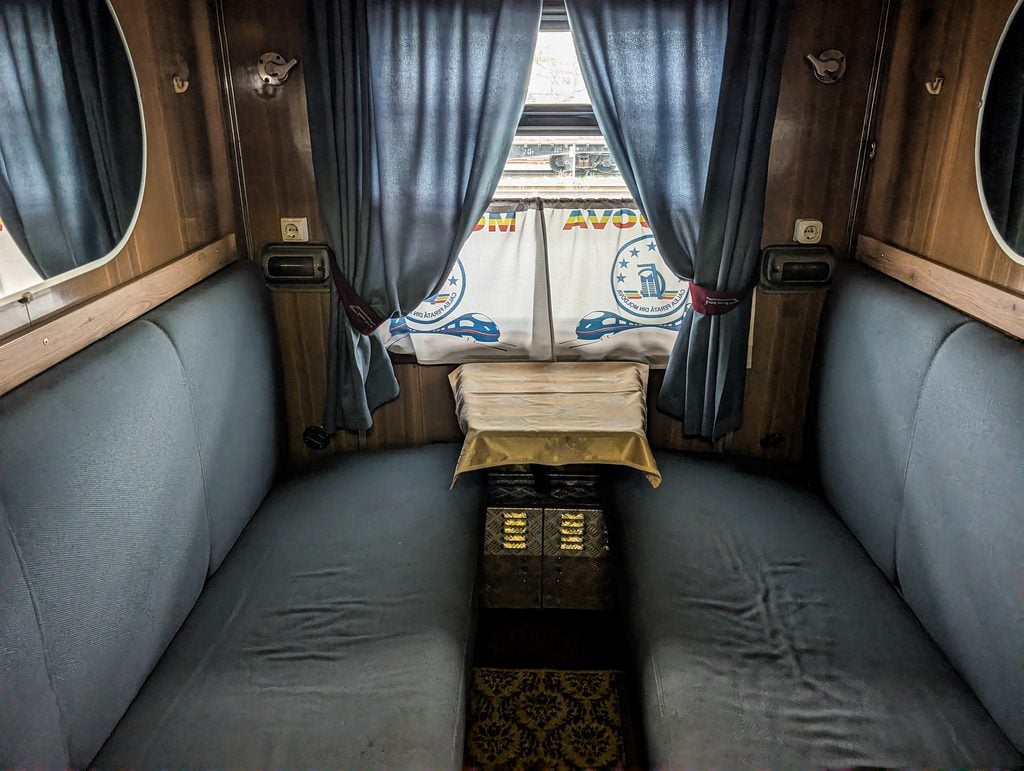
Small items can make a sleeper train feel more like your own space. I often pack a reusable mug to enjoy hot drinks, a lightweight scarf that can double as an extra blanket. A few disinfecting wipes are useful for cleaning tables, while a collapsible tote is handy for carrying those snacks you’ve packed.
Read more: The Hejaz Railway: A Plan to Unite the Middle East by Train
9. Know what to leave behind!
I recommend skipping oversized or hardshell suitcases. I prefer travelling with a soft duffel bag that I can easily sling onto luggage racks or push beneath the bed.
Try to pack light, as space is always limited, and trains always reward light, flexible packing. Before you leave home, review your rail operator’s baggage rules, room amenities and meal options to help you plan for every eventuality.
With the right kit, you can board, sleep better, and step off ready for the day ahead.
That’s how to pack for an overnight sleeper train! Did we miss anything? Let us know in the comments below.