
Cornwall is the staycation destination of choice for many Brits – but while most head to this county for beaches and relatively warmer weather, there’s much more to Cornwall than meets the eye.
In this blog post, we’ll talk about dark tourism in Cornwall – including tales of smuggling, eerie moorland, and bloody uprisings!
So, whether you’re on a beach holiday but want to experience something different, or if you’re on a road trip around Cornwall and are keen to learn about the spookier side of the country, this guide will show you exactly where to go.
Why is there dark tourism in Cornwall?
For many people, dark tourism and Cornwall doesn’t seem to go together at all. Indeed, ghosts and ghouls are probably the farthest things from your mind when you’re sitting on a sunny beach in St Ives.
However, Cornwall’s unique history means that it actually has a huge amount of dark tourism. This is due to a combination of things.
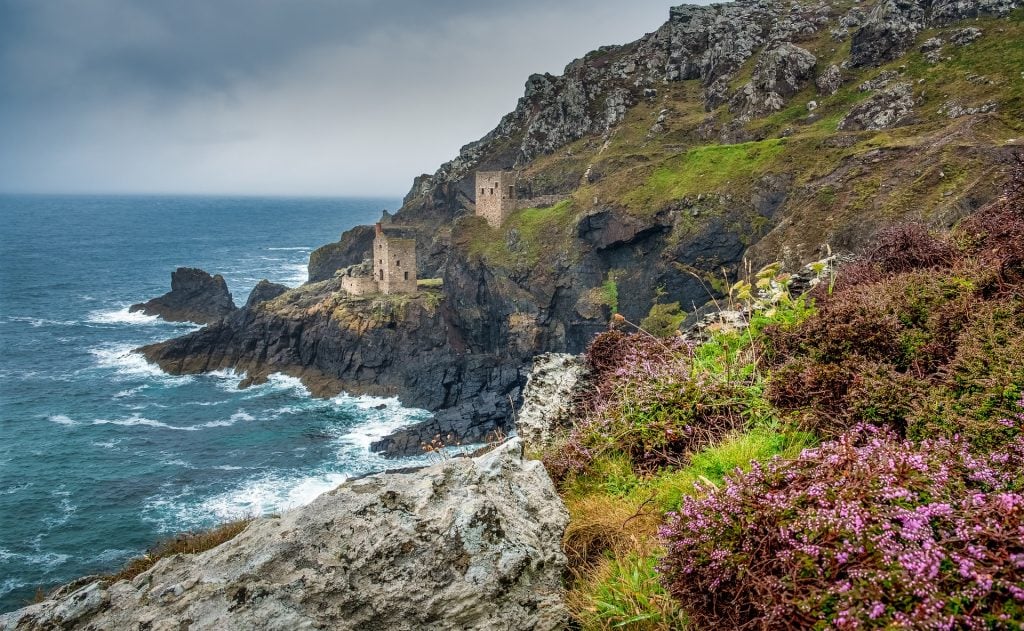
One is Cornwall’s natural landscape. While it is loved by so many tourists all over the world, it’s pretty rugged and wild here. Craggy cliffs and rough seas surround the county, and in the middle, there’s the barren and vast Bodmin Moor.
Cornwall juts out from the rest of the United Kingdom, and it’s always been in easy reach of France and even Spain. What does that mean? Lots of smuggling. Cornwall has a huge smuggling history – which lent to other criminal activities and lots of spooky tales.
Another reason why there is so much dark tourism in Cornwall is the county’s fiercely independent spirit. Cornwall has its own strong Celtic culture and has resisted being part of England to this day (Cornish people were actually granted minority status in 2014). This has caused various uprisings and battles over the years.
Lastly, Celtic culture means that there have been lots of fables and legends in the county – which you can still learn about today. Some of these are nice, pleasant stories – but some, such as the Beast of Bodmin – are much creepier.
All of this means that you certainly have a recipe for dark tourism!

Read more: How Many Counties in England? Everything You Need to Know.
Where to visit for dark tourism in Cornwall
Bodmin Gaol
Despite Bodmin Gaol being so far away from – well, most other places in the UK – it was actually a jail that many others in the country were modelled after.
You’ll learn about this and more at the jail, which is now a fully immersive experience detailing exactly what the Victorian penal system was like.
You’ll go through 3D scenes that depict people convicted of various crimes – smuggling being one of them – before actually touring around some of the cells.
You can visit Bodmin Gaol independently, but I really recommend doing a tour – you’ll learn so much more this way. It’s definitely one of the best things to do in Bodmin, and probably all of Cornwall.
Jamaica Inn
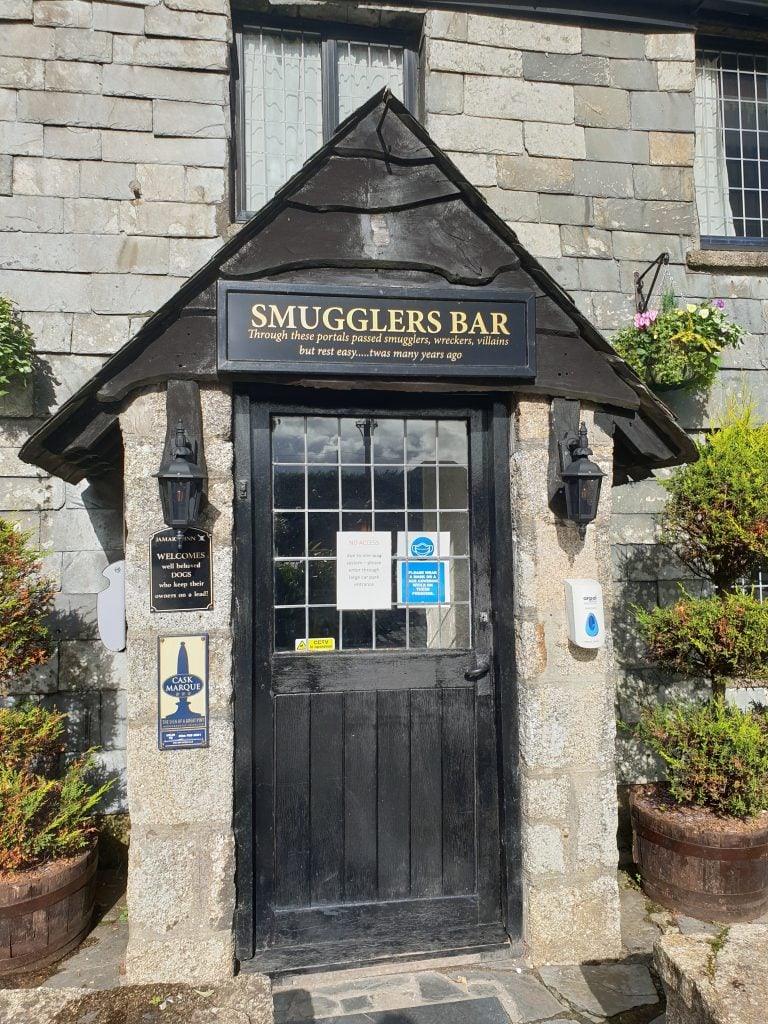
Nowadays, Jamaica Inn is a cosy pub and hotel – but it certainly hasn’t always been this way. It started its days as a smuggler’s hangout – it was the only inn for miles on the moor, and before proper roads were built and the use of cars was widespread, these moors could be virtually impassable.
Jamaica Inn was, therefore, the perfect place to hide contraband and for smugglers to lie low while hiding from the police.
Daphne Du Maurier, a famous 20th-century novelist, was fascinated with this history – so much so that she wrote a book called Jamaica Inn based on it! Nowadays, there is a smuggling museum and a Daphne Du Maurier Museum within the inn.
There’s also a farm shop, guest bedrooms and a pub serving Cornish ales and plenty of hearty British dishes – you’re guaranteed a warm welcome these days!
St Keverne
St Keverne is a small village on the Lizard Peninsula, just 10 miles from Lizard Point, which is the UK’s most southerly point. This tiny village was the seat of one of the major Cornish rebellions of 1497.
It was also the site where the archdeacon of Cornwall was murdered during the Prayer Book rebellion. You can still visit the church from these times – where many monuments were hidden – and there’s a statue and plaque dedicated to this uprising in the village square.
Smuggling Tours in Newquay
Newquay is perhaps the best place to learn about Cornwall’s history of smugglers and pirates. This smugglers tour is certainly catered for tourists – the guide is in full pirate costume – but you should still be able to learn about Cornwall’s dark smuggling past here!
The walking tour travels around Newquay, visiting sites where smugglers hid contraband before they took it to places like – you guessed it – Jamaica Inn.
This tour is aimed at adults but it is suitable for children aged over six. It is unfortunately not wheelchair accessible as it goes down onto the beach.
Lantern Ghost Story Walk St Ives
Another eerie tour is the Lantern Ghost Story Walk in St Ives. Tour around this popular seaside town with Shanty Baba, who wants to show tourists ‘the darker side of St Ives’.
Yes, while St Ives is absolutely idyllic in the daytime, there are plenty of stories from this town that will make your toes curl!
This spooky tour also goes into the smuggling history of the town and details paranormal activity in graveyards and various haunted buildings in the town. It will definitely leave you with goosebumps!
Bodmin Moor
With Bodmin Gaol and Jamaica Inn just a short way outside of the town, Bodmin is perhaps the best place for dark tourism in Cornwall.
While the moor is beautiful, it’s also a place full of grim tales – such as that of the Beast of Bodmin, a large animal who is said to creep around the moorland. Many people regard the Beast of Bodmin to be fictitious, but others argue that there is some truth in it. When you visit the moors and appreciate their barrenness, you’ll certainly see how this tale could have been founded!
If you go for a hike on Bodmin Moor, you’ll likely get a sense of how foreboding this place can be. Do be careful while on the moor – it is known for its fog that can set in quickly and changeable weather conditions, so make sure that you always know where you are and how to get back to safety if needed.

Pendennis Castle
Pendennis Castle was built by Henry VIII to protect Falmouth – and all of Cornwall – from enemy invasion. The castle was the site of a siege in 1646 – Royalists were trapped here for six months before they surrendered, and many people died during this time.
This means that ghost stories are abundant around the castle. Visitors have reported hearing phantom footsteps on a staircase that doesn’t actually lead anywhere and piercing screams that are thought to be from a maid who fell to her death. Eerie, right?
Wheal Coates
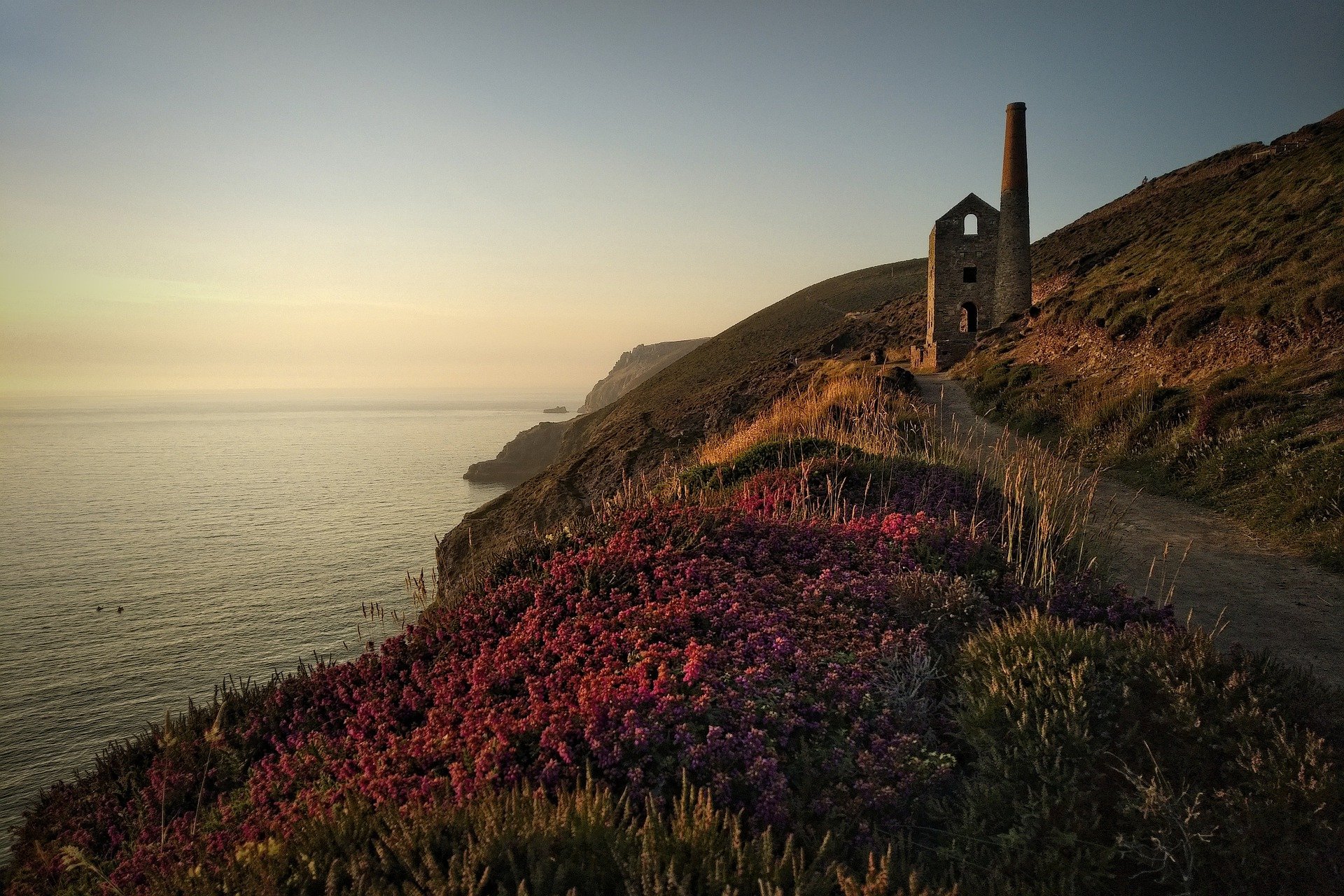
Although it was the most significant industry in Cornwall for hundreds of years, mining was tough. There was no health and safety awareness, and many men died on the job. This is apparent at Wheal Coates, a National Trust owned UNESCO World Heritage Site.
The landscape is open for all to walk around, and you can admire the old mining shafts from here. If you want to experience something a little eerier, you can go down to Chapel Porth Beach where there is a large cave.
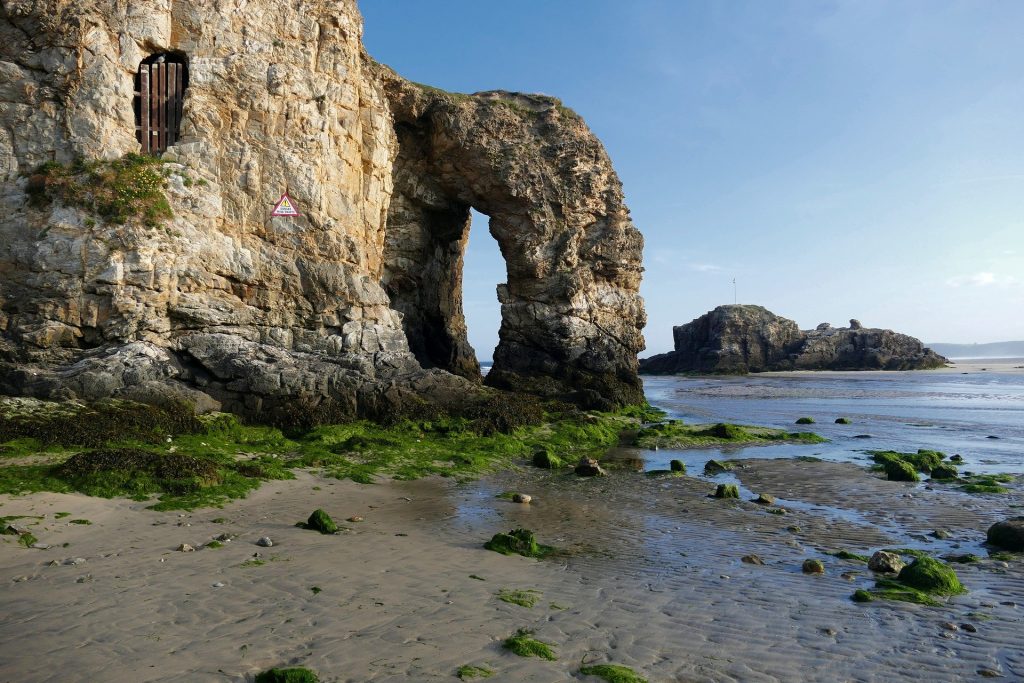
This cave has had a few uses. Foremostly, it was a smuggling cave, one of the many along Cornwall’s coast, where people hid contraband. There are also rumours that it is haunted – it connects to the mineshaft, and it is said that some of the spirits of miners who died due to workplace accidents are still hanging around.
Before going to the cave, make sure that you check tide times (it’s only accessible by low tide and you don’t want to be caught out!) and only go to the cave entrance, as it is not safe to walk further inside.
Dolly Pentreath Memorial
As I mentioned, Cornwall has a very valid case for not really being part of England. It also had its own language – further strengthening this argument!
As the nation became increasingly Anglicised, the language ended up dying out in the 18th century. However, it was revitalised in the 20th century, and today there are around 30,000 fluent speakers.
The last monoglot speaker was Dolly Pentreath, and she has a rather elaborate grave in Paul churchyard near Mousehole. She only learned a little English when she was an adult – she almost solely conversed in Cornish – and she is considered the last native Cornish speaker.
Mousehole is a lovely little village that’s well worth a day trip to (it’s easy to reach from Penzance, Falmouth or Truro), and you can visit the graveyard and find Dolly’s grave while you’re there!
These Cornwall attractions are certainly out of the ordinary – but they’ll add another dimension to your trip, and let you learn about some really interesting – and sometimes morbid – parts of this region’s history.

Claire Martin
Claire is a South West England travel expert. She writes about this corner of Britain on her travel blog, Go South West England. When she’s not blogging, she’s writing her book, hiking and enjoying nature, or cooking delicious vegetarian recipes!
Fascinating stuff! Whilst smuggling seems obvious now, I had no idea there was so much dark tourism in Cornwall!